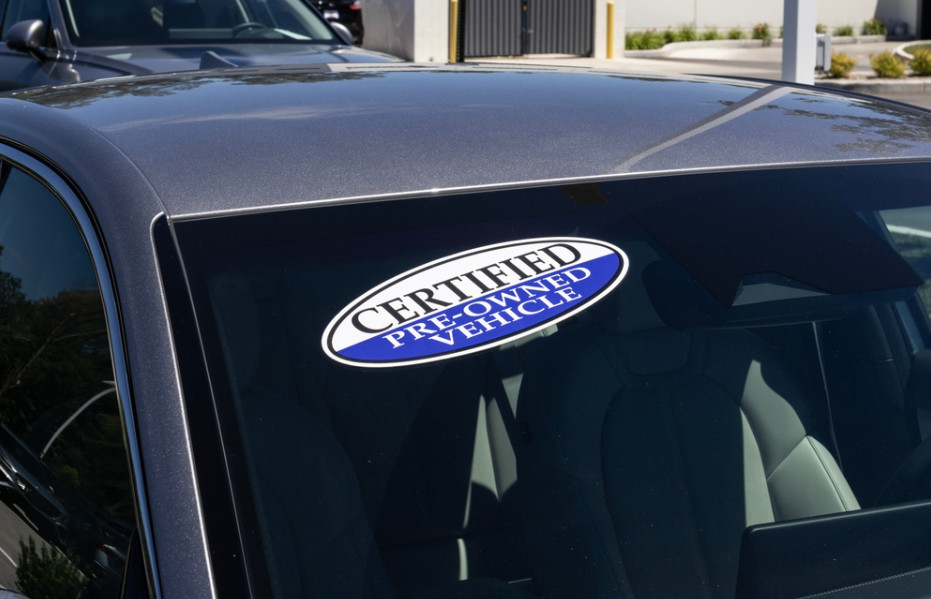
Buying a used vehicle can save thousands of dollars, but many shoppers worry about hidden problems, costly repairs, or unclear ownership history. That is where the term certified pre-owned often appears. If you have searched dealer listings, you have likely seen labels such as “CPO,” “manufacturer certified,” or “certified used.” But what does certified pre-owned mean for used cars, and is it really worth the extra price?
Certified pre-owned vehicles sit between brand-new cars and ordinary used cars. They are typically newer models with lower mileage that have passed inspections and come with extra warranty coverage. For many buyers, a certified pre-owned car offers peace of mind without paying new-car prices.
In this in-depth guide, you will learn exactly how CPO programs work, what benefits they provide, where risks still exist, and how to decide whether a certified pre-owned vehicle is the right move for your budget.
What Does Certified Pre-Owned Mean for Used Cars?
The phrase certified pre-owned refers to a used car that meets certain age, mileage, and condition standards, then passes a detailed inspection and receives warranty-backed approval.
Usually, these vehicles are:
- Late-model cars (often 1–6 years old)
- Lower mileage
- Clean title vehicles
- Accident-free or limited damage history
- Reconditioned to meet standards
- Sold with warranty coverage
- Offered through franchised dealerships or approved sellers
In simple terms, a CPO car is a used vehicle that has been screened and backed to reduce buyer risk.
When asking what does certified pre-owned mean for used cars, think of it as a middle ground:
- New car: Highest price, full warranty
- Regular used car: Lowest price, more uncertainty
- Certified pre-owned: Balanced option with added protection
How Certified Pre-Owned Cars Differ from Regular Used Cars
Many buyers assume all used cars are similar. They are not.
Regular Used Cars
A normal used car may be sold:
- By a private owner
- By an independent dealer
- By a franchise dealer
- With or without warranty
- With varying inspection quality
Condition can range from excellent to risky.
Certified Pre-Owned Cars
A CPO car generally includes:
- Multi-point inspection
- Mechanical repairs if needed
- Verified eligibility standards
- Limited warranty
- Roadside assistance (sometimes)
- Return policy (sometimes)
- Vehicle history report
Key Difference
The biggest difference is verification plus warranty.
Anyone can wash a used car and list it for sale. A certified pre-owned car must meet program standards first.
Requirements for a Car to Become Certified Pre-Owned
Not every used car qualifies.
Most manufacturer programs require:
1. Age Limit
Many brands only certify vehicles under a certain age, such as:
- Under 5 years old
- Under 6 years old
- Specific model years only
2. Mileage Limit
Typical limits:
- Under 60,000 miles
- Under 75,000 miles
- Under 80,000 miles
3. Title Status
Usually must have:
- Clean title
- No salvage history
- No flood title
- No rebuilt title
4. Mechanical Condition
The car must pass inspection standards involving:
- Engine
- Transmission
- Brakes
- Suspension
- Tires
- Electronics
- Safety systems
5. Cosmetic Standards
Many programs also require acceptable:
- Paint condition
- Interior wear
- Windshield quality
- Tire tread
- Body panel alignment
If the vehicle fails, repairs may be completed before certification—or the car may simply be sold as regular used inventory.
What Is Included in a CPO Inspection?
Inspection depth varies by brand, but many advertise:
- 100-point inspection
- 125-point inspection
- 150-point inspection
- 172-point inspection
The number itself matters less than the quality of checks.
Common Areas Reviewed
Powertrain
- Engine leaks
- Idle quality
- Transmission shifting
- Cooling system
- Belts and hoses
Suspension & Steering
- Shocks
- Bushings
- Alignment
- Steering response
Brakes
- Pad thickness
- Rotor condition
- Brake fluid
Tires & Wheels
- Tread depth
- Even wear
- Damage
Electrical Systems
- Battery
- Lights
- Infotainment
- Windows
- Sensors
Interior & Exterior
- Upholstery
- Trim
- Paint
- Glass
- Door seals
Road Test
Many programs include a test drive to identify:
- Vibration
- Noise
- Pulling
- Rough shifting
Warranty Coverage on Certified Pre-Owned Vehicles
One of the biggest reasons people ask what does certified pre-owned mean for used cars is warranty protection.
Common Warranty Types
1. Remaining Factory Warranty
If the car is newer, some original warranty may still apply.
2. Extended CPO Warranty
The manufacturer may add:
- 12 months / 12,000 miles
- 24 months / unlimited miles
- Powertrain extension
- Bumper-to-bumper limited coverage
3. Extra Benefits
Sometimes included:
- Roadside assistance
- Trip interruption reimbursement
- Courtesy transportation
- Free maintenance for limited time
Important Reminder
Always read:
- Deductibles
- Covered components
- Claim process
- Transferability
- Expiration rules
Not every “warranty” offers equal value.
Benefits of Buying a Certified Pre-Owned Car
1. Lower Risk Than Standard Used Cars
Because the vehicle has been screened, surprises may be reduced.
2. Warranty Protection
Repairs on modern vehicles can be expensive. Warranty coverage matters.
3. Better Vehicle Condition
CPO cars are usually newer and better maintained than average used inventory.
4. Lower Price Than New Cars
You avoid much of the new-car depreciation hit.
5. Financing Incentives
Manufacturers sometimes offer:
- Lower APR financing
- Promotional rates
- Special lease-like options
6. Better Resale Appeal
A documented CPO purchase can help future buyer confidence.
Downsides of Certified Pre-Owned Cars
Certified does not mean perfect.
1. Higher Purchase Price
Expect to pay more than a comparable non-certified used car.
2. Limited Selection
Only qualifying vehicles become CPO inventory.
3. Warranty Limits
Some items may be excluded:
- Wear items
- Cosmetic defects
- Maintenance items
4. Dealer Fees
Documentation fees or add-ons may erase value.
5. False Sense of Security
Even inspected cars can develop problems later.
Manufacturer CPO vs Dealer Certified Programs
This is extremely important.
Manufacturer Certified Pre-Owned
Backed by automaker programs such as:
- Toyota Certified
- HondaTrue Certified
- Ford Blue Advantage
- BMW Certified
Often stronger because they include:
- Standardized inspections
- Brand-trained technicians
- Nationwide warranty acceptance
Dealer Certified
Some independent dealers create their own “certified” label.
This may simply mean:
- In-house inspection
- Short warranty
- Marketing term
Which Is Better?
Usually, manufacturer-backed CPO programs provide stronger value and clearer standards.
Always ask:
- Who provides warranty?
- Where can repairs be done?
- Is it nationwide?
- Is there deductible?
Is Certified Pre-Owned Worth the Higher Price?
Sometimes yes, sometimes no.
Worth It If:
- You want lower risk
- You need warranty coverage
- You dislike private-party uncertainty
- You want newer models
- You finance the purchase
- You need dependable daily transportation
Maybe Not Worth It If:
- You are mechanically knowledgeable
- You can inspect cars independently
- You are buying cash on a tight budget
- You want lowest upfront price
- You plan to modify heavily
Quick Rule
If the CPO premium is small and warranty is strong, it often makes sense.
If the premium is large and warranty weak, compare non-certified alternatives.
Best Buyers for Certified Pre-Owned Vehicles
First-Time Car Buyers
Less risk, easier process.
Busy Professionals
No time to inspect multiple private-sale cars.
Families
Need dependable transportation with fewer surprises.
Commuters
Reliability matters when driving daily.
Buyers Avoiding New-Car Prices
Want modern features without brand-new cost.
Questions to Ask Before Buying
When shopping, ask these questions:
- Is this manufacturer-certified or dealer-certified?
- Can I see the inspection checklist?
- What repairs were completed?
- Is the title clean?
- Has it been in any accidents?
- What exactly does the warranty cover?
- Is roadside assistance included?
- Are there deductibles?
- Can I have an independent inspection done?
- What fees are added to price?
These questions can save thousands.
Red Flags to Watch For
Even a CPO listing can hide issues.
1. Refusal to Share Inspection Report
Transparency matters.
2. High Fees Added Later
Watch for:
- Reconditioning fees
- Paint protection
- VIN etching
- Forced warranties
3. Vague Warranty Language
If nobody explains coverage clearly, be cautious.
4. Mismatched Tires
May suggest corner-cutting.
5. Poor Test Drive Behavior
Noise, vibration, warning lights, harsh shifts.
6. Accident History Hidden Behind “Certified”
Certification does not erase past damage if disclosed standards allow it.
How to Get the Best Deal on a CPO Car
Compare Certified vs Non-Certified Price
If difference is only modest, CPO may be smart.
Shop End of Month
Dealers may discount to hit targets.
Get Preapproved Financing
Use bank or credit union rates as leverage.
Negotiate Total Cost, Not Payment
Monthly payment tricks hide real price.
Check Market Values
Compare multiple listings.
Skip Unnecessary Add-Ons
Many are high-profit extras.
Example Scenario
Option A
2019 sedan, 52,000 miles, regular used, $18,500
Option B
2019 same model, 48,000 miles, certified pre-owned, $20,200 with 1-year warranty
If transmission repair risk is high for that model, Option B may be worth it.
If the model is highly reliable and you can inspect it independently, Option A may save money.
Common Myths About Certified Pre-Owned Cars
Myth 1: Certified Means Brand New Condition
False. It is still used.
Myth 2: Certified Means Zero Problems Forever
False. Mechanical parts wear over time.
Myth 3: Every Certified Program Is Equal
False. Coverage varies dramatically.
Myth 4: CPO Cars Are Always Overpriced
False. Some are excellent value depending on model and warranty.
FAQ
What does certified pre-owned mean for used cars?
A certified pre-owned car is a used vehicle inspected, approved, and sold with added warranty coverage.
Are certified pre-owned cars worth buying?
Often yes, especially if warranty coverage is strong and price premium is reasonable.
Is certified pre-owned better than regular used?
Usually lower risk, but more expensive.
Can certified pre-owned cars have accidents?
Some programs exclude accidents, others may allow minor repaired incidents. Always verify history.
Do CPO cars come with warranty?
Most do, but terms vary widely. Always read the contract.
Final Verdict: What Does Certified Pre-Owned Mean for Used Cars?
So, what does certified pre-owned mean for used cars?
It means a used vehicle has met program standards, passed inspections, and includes additional warranty-backed benefits compared with ordinary used cars. It is designed to reduce risk while costing less than a new vehicle.
For many shoppers, certified pre-owned is the smartest balance between affordability and confidence.
Choose CPO if you value:
- Reliability
- Warranty coverage
- Lower stress buying
- Modern features
- Better ownership confidence
Skip CPO if you prioritize the absolute lowest price and can confidently evaluate used cars yourself.
The best move is not choosing new, used, or certified automatically—it is choosing the option with the strongest total value for your budget.