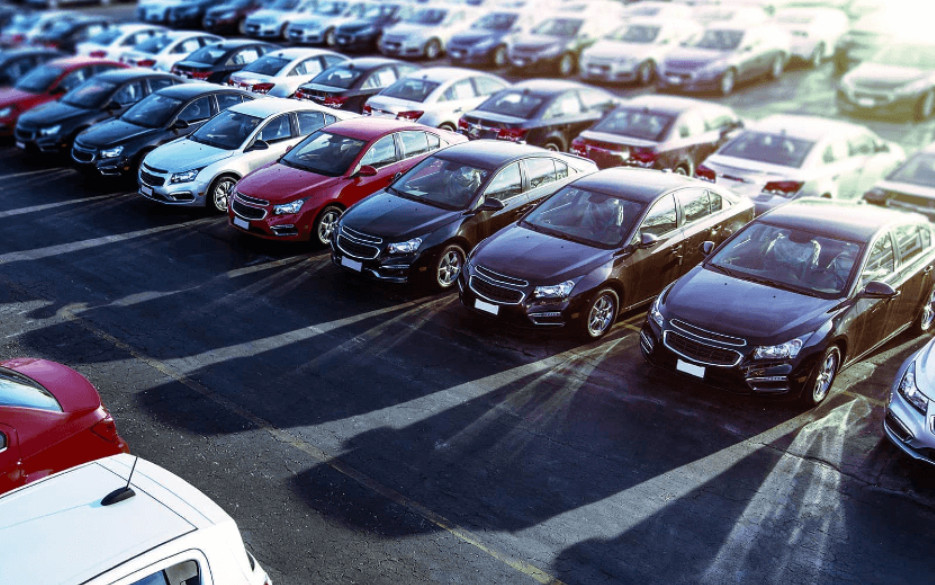
If you have searched for a second-hand vehicle recently, you may have noticed something confusing: the same model can be priced very differently from one month to the next. One week a car seems affordable, the next week it costs thousands more. That leads many buyers to ask: Why do used car prices fluctuate?
The short answer is that used car pricing changes because supply and demand constantly move. Inventory levels, economic conditions, fuel prices, seasonality, interest rates, consumer preferences, new car shortages, mileage, condition, and local competition all affect what buyers are willing to pay.
Unlike brand-new cars with suggested retail pricing, used vehicles are individual assets. Each car has its own age, history, mileage, maintenance record, and market appeal. That makes used car prices more dynamic and sometimes unpredictable.
In this complete guide, you will learn exactly why used car prices fluctuate, what causes sudden increases or drops, when to buy, and how to get the best value in a changing market.
Why Do Used Car Prices Fluctuate?
If you are asking why do used car prices fluctuate, it helps to understand that used cars are traded in an open market.
Prices move because of:
- Number of available vehicles for sale
- Number of buyers shopping
- Financing affordability
- Fuel costs
- Economic sentiment
- Seasonal buying cycles
- Reliability reputation
- Vehicle condition
- Local demand trends
- Dealer inventory pressure
When more buyers compete for fewer cars, prices rise. When too many cars sit unsold, prices fall.
That basic principle drives almost everything in the used car market.
Supply and Demand: The Biggest Driver
The most important reason used car prices change is supply and demand.
High Demand + Low Supply = Higher Prices
If many people need affordable transportation and there are limited good cars available, sellers can ask more money.
Example situations:
- Shortage of reliable used SUVs
- Students returning to school
- New drivers entering market
- Ride-share drivers shopping
Low Demand + High Supply = Lower Prices
If too many similar vehicles are listed and buyers are scarce, prices soften.
Example:
- Many midsize sedans sitting unsold
- Economic slowdown reduces purchases
- Dealers overloaded with trade-ins
Supply and demand often explains sudden market swings.
Why New Car Availability Impacts Used Prices
Many buyers do not realize how closely new and used markets are connected.
When New Cars Are Easy to Buy
If dealerships have plenty of new inventory, buyers may choose new instead of used. That can reduce demand for used cars.
When New Cars Are Limited
If new vehicles are scarce, delayed, or heavily marked up, shoppers move into the used market.
That increases demand and pushes used prices higher.
Why This Matters
Used cars often become the “pressure valve” when new-car affordability worsens.
Seasonal Changes in Used Car Pricing
Yes, the time of year can influence pricing.
Spring and Summer
Often stronger demand because:
- Better weather
- More moving households
- Graduations
- Families preparing travel
- Tax refund season in some markets
Higher demand can mean firmer prices.
Back-to-School Period
Students and parents often seek budget transportation.
Late Year / Holiday Period
Some dealers discount aging inventory before year-end.
Winter
In colder climates:
- Convertibles may weaken
- AWD vehicles may strengthen
- Trucks may stay desirable
Seasonality is real, though it varies by region.
Interest Rates and Monthly Payment Pressure
Many used car buyers finance purchases.
That means interest rates matter significantly.
When Rates Rise
Monthly payments become more expensive. Buyers may lower budgets or delay purchases.
This can reduce demand for higher-priced used vehicles.
When Rates Fall
Financing becomes easier, encouraging more buyers into the market.
That can support higher prices.
Example
$25,000 financed at a lower rate feels more affordable than the same car at a higher rate.
Monthly payment psychology strongly affects pricing.
Fuel Prices and Vehicle Type Demand
Fuel costs can reshape the used market quickly.
When Fuel Prices Increase
Demand often rises for:
- Compact cars
- Hybrids
- Fuel-efficient sedans
Demand may weaken for:
- Large SUVs
- V8 trucks
- Poor MPG vehicles
When Fuel Prices Fall
Some buyers return to larger vehicles.
Why Prices Fluctuate Unevenly
Not all used cars move together. Fuel-efficient models may rise while large vehicles drop.
Economic Conditions and Consumer Confidence
The broader economy has major influence.
Strong Economy
When employment is stable and confidence is high:
- More people upgrade cars
- Buyers spend more
- Dealers hold firmer prices
Weak Economy
When uncertainty rises:
- Buyers delay purchases
- More people choose budget cars
- Premium vehicles may soften
- Cheap reliable cars may rise
Different segments react differently.
Brand Reputation and Reliability Trends
Used buyers care deeply about reliability.
If a brand gains a strong reputation, prices often remain higher.
Brands With Strong Resale Often Benefit From:
- Reliable engines
- Low repair frequency
- Affordable maintenance
- Strong owner satisfaction
If a Model Gets Bad Publicity
Prices may drop due to:
- Transmission issues
- Engine recalls
- Electrical problems
- Poor durability reputation
Perception influences resale values heavily.
Mileage, Condition, and Ownership History
Even in the same market, individual car pricing fluctuates because no two used cars are identical.
Higher Value Factors
- Lower mileage
- Clean title
- One owner
- Full service history
- No accidents
- Good tires
- Clean interior
Lower Value Factors
- Rust
- Warning lights
- Multiple owners
- Poor maintenance
- Smoke odors
- Cosmetic neglect
- Accident history
This is why two similar model-year cars may differ by thousands.
Local Market Differences
Used car pricing is highly regional.
Urban Markets
Demand may be stronger for:
- Small cars
- Hybrids
- Easy parking vehicles
Rural Markets
Demand may favor:
- Trucks
- SUVs
- AWD vehicles
Climate Differences
Warm regions may value convertibles more. Snowy regions may favor AWD crossovers.
Tax and Registration Rules
Local ownership costs also influence demand.
A car cheap in one city may be expensive in another.
Why Some Models Rise While Others Fall
Many shoppers assume all used cars move together. They do not.
Example 1: Compact Hybrid
May rise when fuel costs rise.
Example 2: Luxury Sedan
May fall faster because maintenance fears reduce buyer pool.
Example 3: Pickup Truck
May stay strong due to utility demand.
Example 4: Manual Sports Car
May gain enthusiast demand despite age.
Each segment follows its own logic.
Depreciation Still Matters
All vehicles depreciate, but not evenly.
Fast Depreciators
Often include:
- Luxury sedans
- Large premium SUVs
- Niche models
- Brands with weaker reputation
Slower Depreciators
Often include:
- Reliable compact SUVs
- Popular trucks
- Efficient hybrids
- In-demand mainstream models
Fluctuation happens inside the longer-term depreciation curve.
Dealer Pricing vs Private Seller Pricing
Prices also move based on seller type.
Dealers Often Price Higher Because They May Offer:
- Financing
- Warranty options
- Trade-ins
- Reconditioning
- Convenience
Private Sellers Often Price Lower Because They Want:
- Quick sale
- Fewer overhead costs
- Simpler transaction
This difference can create confusion when comparing listings.
Online Listings Make Prices Move Faster
Digital marketplaces changed used car pricing.
Why?
Buyers can compare dozens of listings instantly.
Sellers can also adjust prices quickly based on:
- Competition
- Time on market
- Leads received
- Seasonal demand
This creates faster and more visible fluctuations than older offline markets.
Why Dealers Change Prices Weekly
Dealers often monitor inventory age.
If a Car Sits Too Long
Price may be reduced.
If Similar Cars Sell Quickly
Price may rise.
If Auctions Become Expensive
Retail asking prices may increase.
Used pricing is often data-driven and constantly updated.
When Is the Best Time to Buy a Used Car?
There is no perfect universal day, but some patterns help.
Often Better Times Include:
- End of month
- End of quarter
- Year-end
- During slower demand periods
- When many competing listings exist
Also Good Strategy:
Buy when your target model is oversupplied, not just when the calendar says so.
How Buyers Can Beat Price Swings
If you understand why do used car prices fluctuate, you can shop smarter.
1. Track Listings for Several Weeks
Learn realistic market value.
2. Compare Similar Mileage and Trim
Avoid misleading comparisons.
3. Be Flexible on Color or Options
You may save significantly.
4. Expand Search Radius
Nearby cities may be cheaper.
5. Get Financing Ready
Fast buyers can act when a good deal appears.
6. Buy Based on Total Value
Condition matters more than lowest sticker price.
Common Myths About Used Car Prices
Myth 1: Used Cars Only Go Down
False. Some segments rise temporarily.
Myth 2: Cheapest Listing Is Best Deal
False. Hidden problems often explain low prices.
Myth 3: Mileage Is Everything
False. Maintenance history matters greatly.
Myth 4: Winter Is Always Cheapest
False. Depends on model and region.
Myth 5: Dealers Never Negotiate
False. Many negotiate based on inventory pressure.
Example Market Scenario
Same Model SUV
January
- Demand normal
- 20 listings available
- Average price: $21,000
April
- Tax refund season
- 10 listings available
- Average price: $23,000
August
- New model released
- 25 listings available
- Average price: $20,800
This is how real-world fluctuations happen.
What Buyers Should Focus On Most
Instead of predicting every market move, prioritize:
- Reliable models
- Verified maintenance
- Fair market pricing
- Independent inspection
- Affordable ownership costs
A great car bought at a fair price is better than waiting endlessly for the “perfect” dip.
Frequently Asked Questions
Why do used car prices fluctuate so much?
Because supply, demand, financing costs, seasonality, fuel prices, and vehicle condition constantly change.
Do used car prices go down in winter?
Sometimes, but it depends on region and vehicle type.
Why are SUVs more expensive used?
Strong demand, practicality, and family preference often support higher resale values.
Will used car prices fall if interest rates rise?
Higher rates can reduce affordability and soften demand, though results vary.
Should I wait for prices to drop?
Only if your current transportation situation allows it. Waiting also has opportunity cost.
Final Verdict: Why Do Used Car Prices Fluctuate?
So, why do used car prices fluctuate?
Because the used car market reacts continuously to supply, demand, economic conditions, financing costs, fuel prices, seasonality, and buyer preferences. Unlike new cars, every used vehicle is unique, making prices even more dynamic.
The smartest approach is not trying to time every swing perfectly. It is understanding market patterns, researching target models, comparing listings carefully, and buying strong value when it appears.
Remember:
- Prices rise when demand exceeds supply
- Prices fall when inventory builds
- Some models outperform others
- Condition can outweigh market timing
- Preparation creates the best deals
Used car pricing may move constantly, but informed buyers can still stay in control.