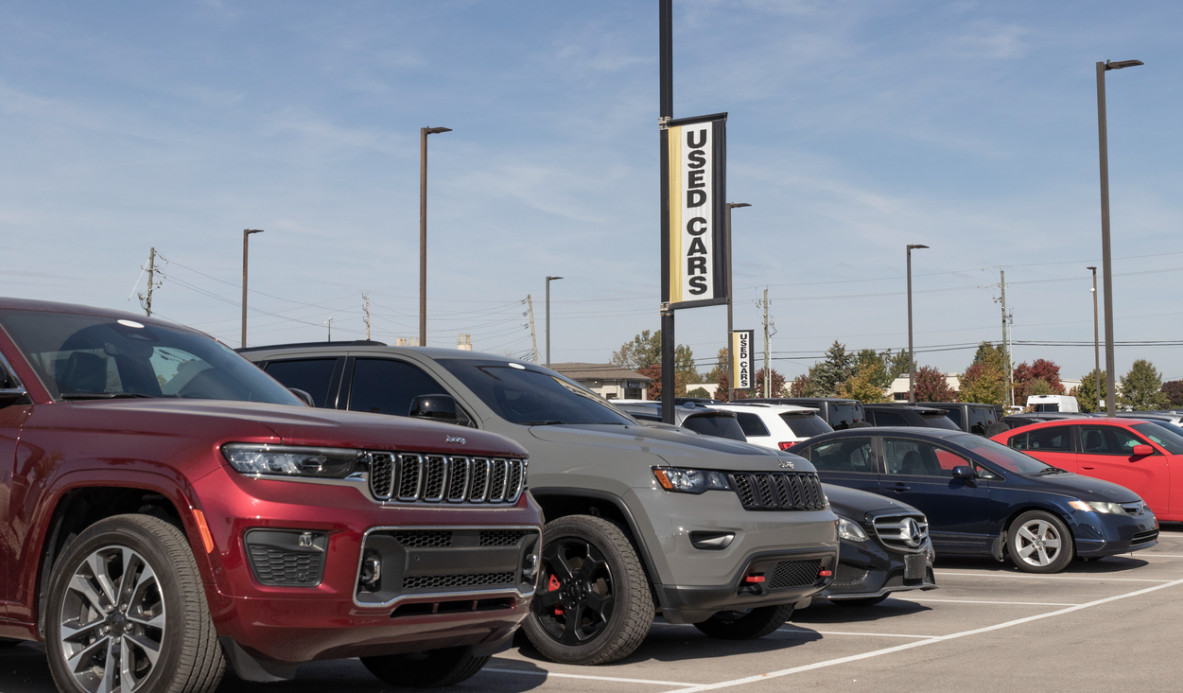
Buying your first used car feels exciting.
It’s a milestone. A sense of independence. A smart financial move.
But for many first-time buyers…
👉 That excitement quickly turns into regret.
Because the used car market is not beginner-friendly.
It rewards:
- Experience
- Patience
- Critical thinking
And it punishes:
- Emotion
- Inexperience
- Assumptions
If you want to avoid costly regrets, you need to understand the biggest mistakes first-time used car buyers make—not just what they are, but how they happen, why they happen, and how to avoid them completely.
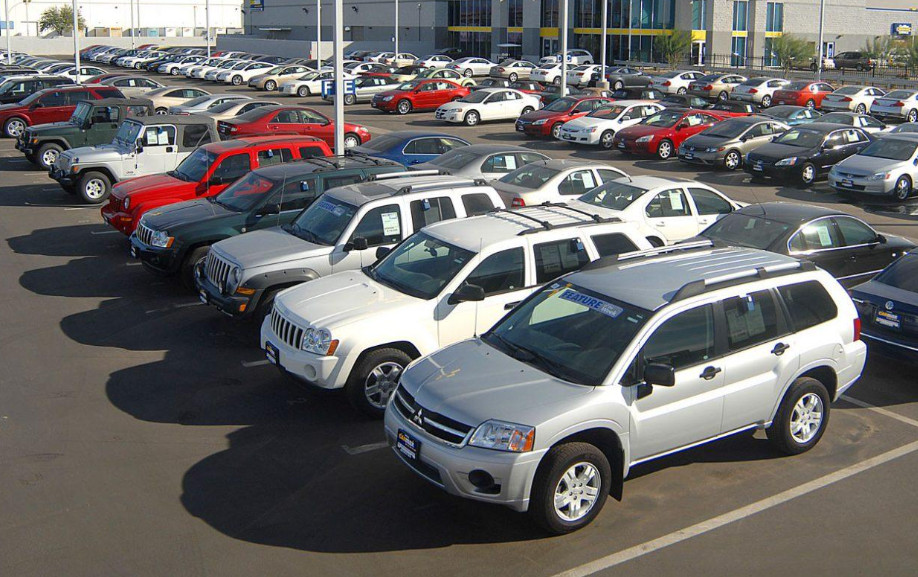
🚗 The First-Time Buyer Journey (Where Things Go Wrong)
Let’s break down what typically happens:
- You start searching online
- You find a car you like
- You get emotionally attached
- You rush the process
- You miss critical checks
👉 And that’s where mistakes begin.
This guide will walk you through each stage—and expose the hidden traps.
❌ Stage 1 Mistake: Starting Without a Clear Plan
What Happens:
You browse randomly:
- Different brands
- Different price ranges
- No clear criteria
Why It’s a Problem:
Without a plan:
- You get overwhelmed
- You make impulsive decisions
- You compare the wrong options
Real Consequence:
👉 You end up choosing based on emotion, not logic.
How to Fix It:
Define BEFORE searching:
- Budget
- Car type
- Must-have features
👉 Clarity = control
❌ Stage 2 Mistake: Believing “Good Deal = Cheap Price”
What Happens:
You chase the lowest price.
Why It’s Dangerous:
Cheap cars often mean:
- Poor condition
- Hidden damage
- High repair cost
Real Example:
Buy car for $4,000
Spend $3,000 on repairs
👉 Total = $7,000 (bad deal)
How to Fix It:
Focus on:
👉 Total cost of ownership
👉 Smart buyers don’t buy cheap—they buy value.
❌ Stage 3 Mistake: Trusting Listings Too Much
What Happens:
You believe:
- Photos
- Description
- “Excellent condition” claims
Why It’s Dangerous:
Listings are designed to SELL—not inform.
Real Consequence:
👉 You expect perfection → get disappointment.
How to Fix It:
- Assume listing is marketing
- Verify everything in person
👉 Rule: If it looks perfect online, inspect twice.
❌ Stage 4 Mistake: Skipping Deep Inspection
What Happens:
You do a quick look—or none at all.
Why It’s Dangerous:
You miss:
- Engine issues
- Structural damage
- Wear and tear
Real Consequence:
👉 Expensive repairs after purchase.
How to Fix It:
- Follow full inspection process
- Bring a mechanic
👉 Inspection is not optional—it’s mandatory.
❌ Stage 5 Mistake: Misunderstanding Mileage
What Happens:
You think:
👉 “Low mileage = good car”
Why It’s Wrong:
Mileage alone doesn’t tell the story.
Reality:
- Low mileage + poor maintenance = bad
- High mileage + good maintenance = reliable
How to Fix It:
Evaluate:
- Service history
- Condition
👉 Condition beats mileage every time.
❌ Stage 6 Mistake: Ignoring the Test Drive Experience
What Happens:
You drive for a few minutes—or not at all.
Why It’s Dangerous:
You miss:
- Brake problems
- Alignment issues
- Suspension noise
How to Fix It:
Test properly:
- Different speeds
- Braking
- Turning
👉 Driving reveals hidden truth.
❌ Stage 7 Mistake: Feeling Intimidated by Sellers
What Happens:
Seller:
- Talks confidently
- Pushes urgency
- Uses pressure tactics
Your Reaction:
- You feel unsure
- You agree too quickly
Why It’s Dangerous:
👉 You lose control of the deal.
How to Fix It:
- Stay calm
- Take your time
- Ask questions
👉 Confidence beats pressure.
❌ Stage 8 Mistake: Not Negotiating at All
What Happens:
You accept listed price.
Why It’s a Mistake:
Used car prices are:
👉 Always negotiable
Real Loss:
👉 Overpaying by hundreds or thousands.
How to Fix It:
- Research market
- Use inspection findings
👉 Negotiation is expected—not optional.
❌ Stage 9 Mistake: Ignoring Paperwork Details
What Happens:
You focus on the car—but ignore documents.
Why It’s Dangerous:
Issues include:
- Ownership disputes
- Legal problems
- Registration failure
How to Fix It:
Verify:
- Registration
- VIN
- Ownership
👉 Paperwork = ownership proof.
❌ Stage 10 Mistake: Rushing the Purchase
What Happens:
You feel:
- “I might lose this deal”
- “I need a car now”
Why It’s Dangerous:
👉 Urgency kills good decisions.
Real Consequence:
- Miss better options
- Buy wrong car
How to Fix It:
- Take your time
- Compare options
👉 Good deals don’t disappear instantly.
❌ Stage 11 Mistake: Not Considering Future Costs
What Happens:
You think only about purchase price.
Hidden Costs:
- Insurance
- Maintenance
- Fuel
- Repairs
How to Fix It:
Calculate:
👉 Total ownership cost
❌ Stage 12 Mistake: Ignoring Your Instinct
What Happens:
Something feels off—but you ignore it.
Why It Matters:
👉 Your intuition detects patterns.
How to Fix It:
If something feels wrong:
👉 Walk away
🔄 Transformation: From Beginner to Smart Buyer
Let’s shift mindset.
Beginner Thinking:
- Emotional
- Reactive
- Trusting
Smart Buyer Thinking:
- Analytical
- Patient
- Skeptical
👉 The difference = results
🧠 The First-Time Buyer Survival Formula
👉 Successful purchase =
Planning + Inspection + Verification + Negotiation + Patience
🔑 Quick Self-Check Before Buying
Ask yourself:
✔️ Did I compare multiple cars?
✔️ Did I inspect properly?
✔️ Did I verify documents?
✔️ Did I negotiate?
✔️ Am I confident—not emotional?
👉 If YES → you’re ready
👉 If NO → pause
🚀 Final Thoughts
Understanding the biggest mistakes first-time used car buyers make is not about avoiding errors—it’s about building confidence.
Because once you:
- Recognize patterns
- Understand risks
- Control your decisions
👉 You stop being a beginner.
🔥 Conclusion
Every experienced car buyer was once a beginner.
The difference?
👉 They learned from mistakes—or avoided them.
Now you have the advantage.
👉 You know what to watch for
👉 You know how to think
👉 You know how to decide
👉 The goal isn’t just buying your first car.
👉 It’s buying your first smart car.