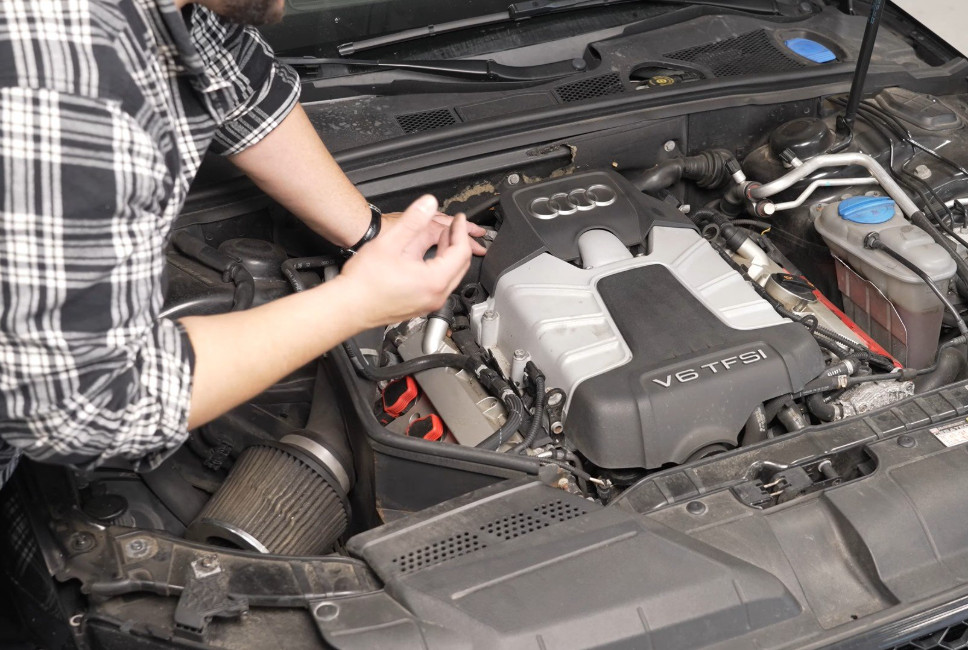
Buying a used car is one of the smartest financial decisions you can make—but only if you know how to inspect it properly. While many buyers focus on the exterior and interior, the real truth lies under the hood.
If you’re a beginner and wondering what to check under the hood of a used car, this guide will walk you through everything step by step—without requiring advanced mechanical knowledge.
By the end of this article, you’ll know exactly how to identify red flags, avoid costly mistakes, and confidently evaluate any used car before buying.

🚗 Why Checking Under the Hood Is Critical
The engine bay is the heart of the vehicle. It tells you:
- How well the car was maintained
- Whether there are hidden issues
- If the car has been in an accident
- Potential future repair costs
👉 A clean-looking car can still have serious engine problems—so never skip this step.
🧰 What You Need Before Opening the Hood
Before you start, prepare these simple tools:
- Flashlight
- Gloves
- Paper towel or cloth
- Basic knowledge (this guide 😉)
Optional but helpful:
- OBD2 scanner
- A mechanic friend
🔍 Step 1: Overall Engine Bay Condition

Start with a general overview.
✔️ What to Look For:
- Moderate cleanliness (not too dirty, not overly shiny)
- No obvious leaks
- All components in place
🚨 Red Flags:
- Extremely clean engine → may hide leaks
- Thick oil buildup → poor maintenance
- Missing parts → possible repairs or neglect
🛢️ Step 2: Check Engine Oil

Engine oil is one of the most important indicators.
✔️ How to Check:
- Pull out the dipstick
- Wipe it clean
- Insert and pull again
- Observe level and color
✔️ Good Signs:
- Light brown or amber color
- Proper oil level
🚨 Red Flags:
- Milky oil → coolant mixing (serious issue)
- Very black thick oil → poor maintenance
- Low oil → neglect
💧 Step 3: Check Coolant (Radiator Fluid)

Coolant prevents overheating.
✔️ What to Check:
- Coolant level in reservoir
- Color (green, orange, or pink depending on type)
🚨 Red Flags:
- Rusty or brown coolant → contamination
- Low level → possible leak
- Bubbles → head gasket issue
⚠️ Never open radiator cap when engine is hot.
🔋 Step 4: Inspect the Car Battery
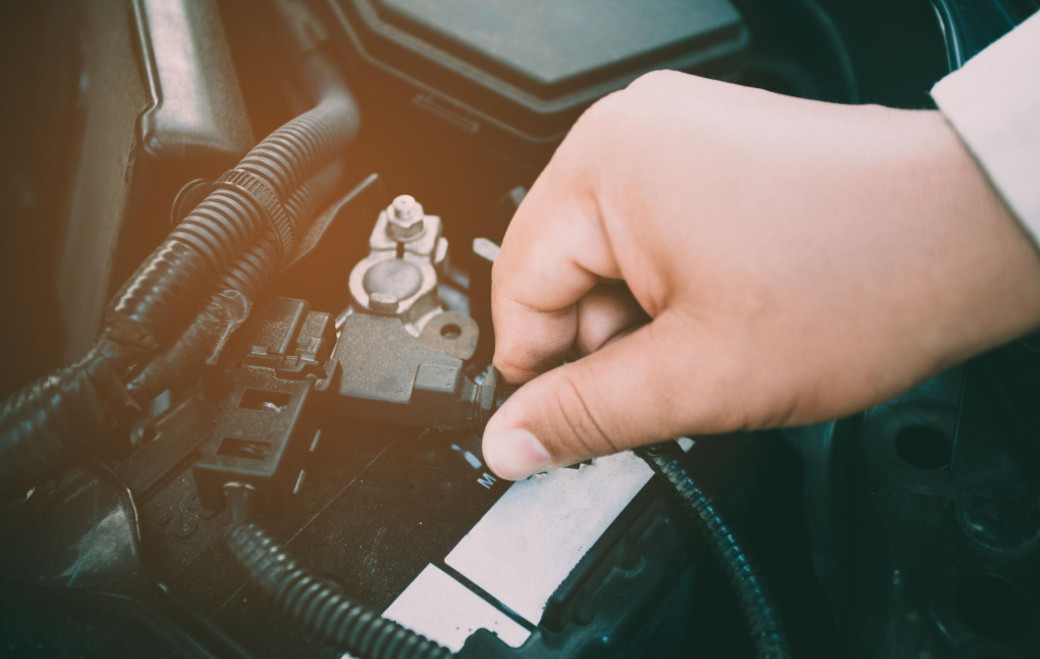
The battery is easy to check—even for beginners.
✔️ Look for:
- Clean terminals
- Secure connections
- Battery age (usually printed label)
🚨 Red Flags:
- White/green corrosion → poor maintenance
- Loose cables → electrical issues
- Old battery (>3–5 years) → replacement soon
🧵 Step 5: Check Belts and Hoses

Rubber components wear over time.
✔️ Inspect:
- Cracks
- Fraying
- Hard or brittle texture
🚨 Red Flags:
- Cracked belts → may break soon
- Leaking hoses → costly repair
🛢️ Step 6: Look for Fluid Leaks
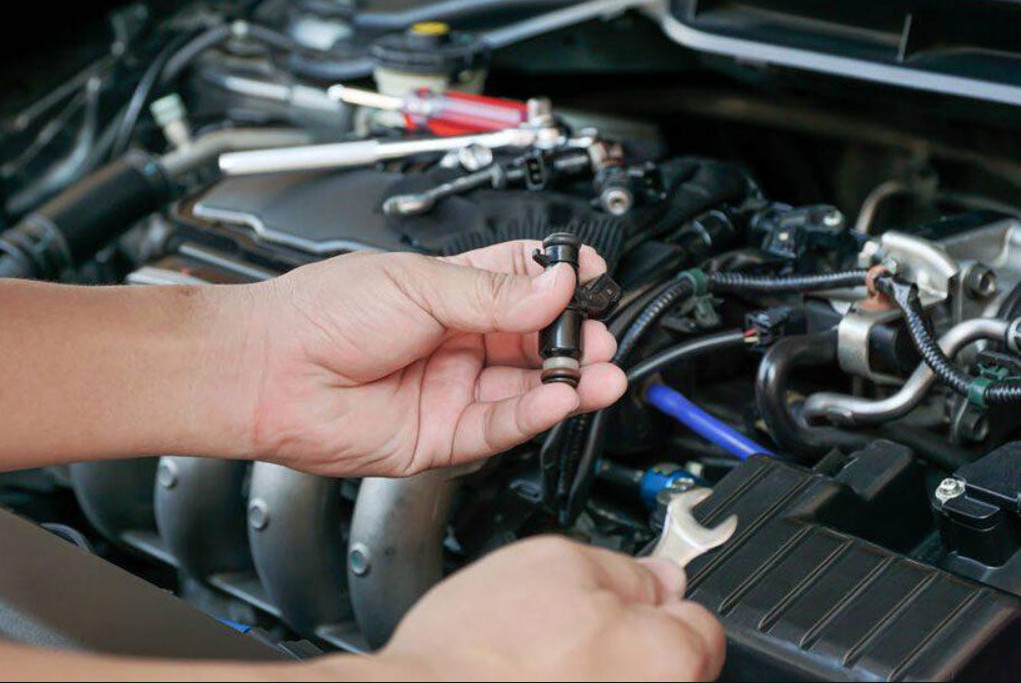
Leaks are a major warning sign.
✔️ Common Fluids:
- Engine oil (brown/black)
- Coolant (green/orange)
- Transmission fluid (red)
🚨 Red Flags:
- Wet or greasy areas
- Fluid puddles under car
🌬️ Step 7: Inspect Air Filter

Air filters affect engine performance.
✔️ Check:
- Remove filter (if accessible)
- Look for dirt or debris
🚨 Red Flags:
- Extremely dirty filter → poor maintenance
🔌 Step 8: Check Wiring and Electrical Components

Electrical issues can be expensive.
✔️ Look for:
- Intact wires
- Proper connections
🚨 Red Flags:
- Chewed wires → rodents
- Burn marks → electrical faults
- Messy wiring → poor modifications
🔊 Step 9: Start the Engine and Listen

After inspection, start the engine.
✔️ Listen for:
- Smooth idle
- No unusual noises
🚨 Red Flags:
- Knocking sounds → engine damage
- Rough idle → fuel or ignition issue
🌫️ Step 10: Check Exhaust Smoke
✔️ Observe:
- Color of exhaust smoke
🚨 Red Flags:
- Blue smoke → oil burning
- White smoke → coolant leak
- Black smoke → fuel system issue
🧪 Step 11: Use an OBD2 Scanner (Optional)
This tool reads error codes.
✔️ Benefits:
- Detect hidden issues
- Check engine warning codes
🚨 Red Flags:
- Active error codes
🧠 Beginner-Friendly Tips
- Don’t panic if you don’t understand everything
- Focus on major red flags
- Compare multiple cars
- Always ask questions
⚠️ Common Mistakes Beginners Make
- Ignoring engine inspection
- Trusting seller without checking
- Skipping fluid checks
- Not starting engine
🔑 Quick Checklist
Before buying, confirm:
✔️ Engine oil condition
✔️ Coolant level
✔️ Battery health
✔️ Belts & hoses
✔️ No leaks
✔️ Clean wiring
✔️ Smooth engine sound
🚀 Conclusion
Understanding what to check under the hood of a used car for beginners is one of the most valuable skills you can learn when buying a vehicle.
You don’t need to be a mechanic—just follow this step-by-step guide and focus on the key warning signs.
👉 A few minutes under the hood can save you thousands of dollars.
Take your time, inspect carefully, and always choose a car that gives you confidence—not doubt.