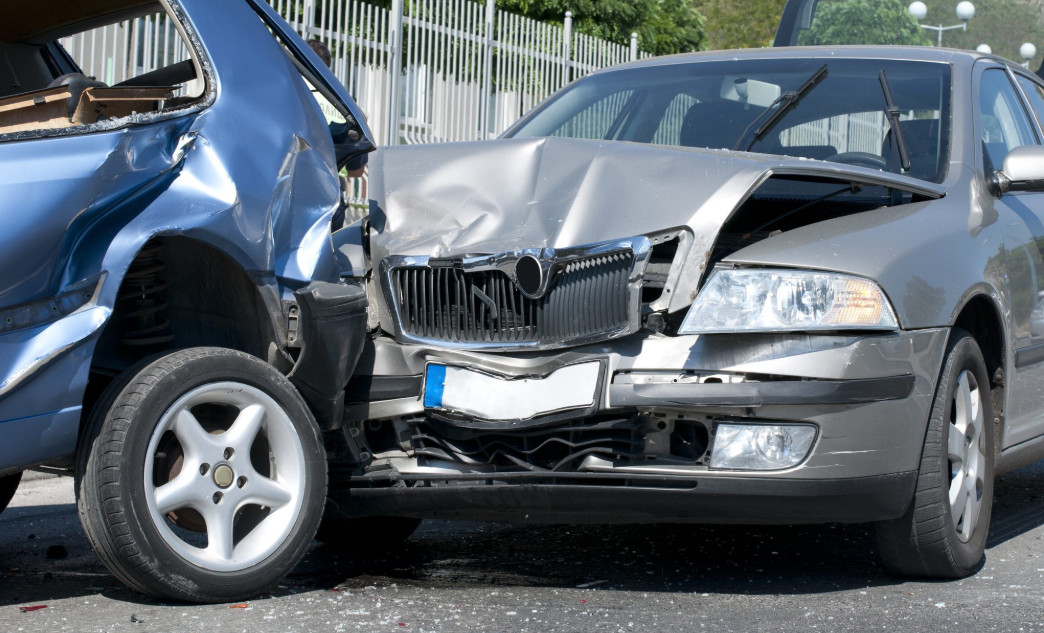
When buying a used car, one hidden factor can dramatically change everything:
👉 Accident history
A car that has been in a serious accident can:
- Lose structural integrity
- Become unsafe to drive
- Drop significantly in value
The problem?
👉 Sellers don’t always disclose accidents.
👉 And damage isn’t always visible.
If you’re searching for how to check accident history of a used car, this guide will teach you how to uncover the truth using a multi-layer verification system, just like professionals do.
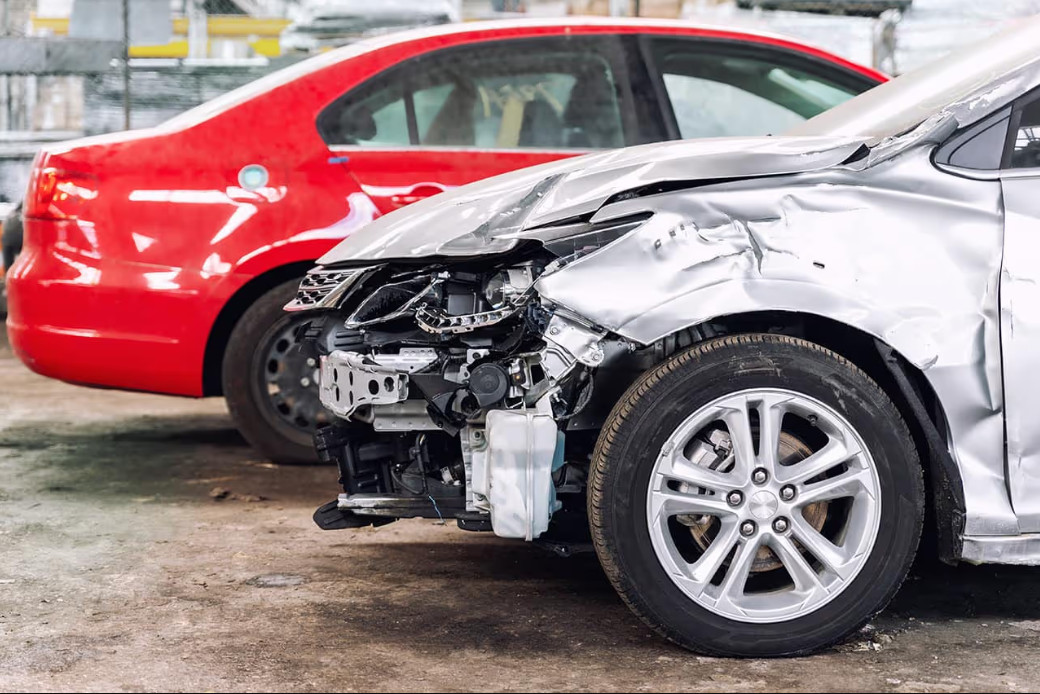
🚨 Why Accident History Matters More Than You Think
Not all accidents are equal.
Minor Accident:
- Small scratches
- Cosmetic damage
👉 Usually acceptable
Major Accident:
- Frame damage
- Airbag deployment
- Flood damage
👉 Can affect safety permanently
Hidden Risk:
👉 A well-repaired car can still have structural weakness.
🧠 The Accident Detection Framework (5 Evidence Layers)
To verify accident history properly, you need to analyze multiple signals:
Layer 1: Digital Records
Layer 2: Exterior Clues
Layer 3: Structural Alignment
Layer 4: Mechanical Behavior
Layer 5: Seller Transparency
👉 One signal = suspicion
👉 Multiple signals = confirmation
📊 Layer 1: Check Vehicle History Reports
Start with official data.
✔️ What to Look For:
- Reported accidents
- Insurance claims
- Repair records
- Title status
🚨 Red Flags:
- “Salvage title”
- “Rebuilt title”
- “Total loss”
⚠️ Important:
Not all accidents are reported.
👉 This is just the first layer—not the final answer.
🔍 Layer 2: Exterior Inspection (Visual Evidence)
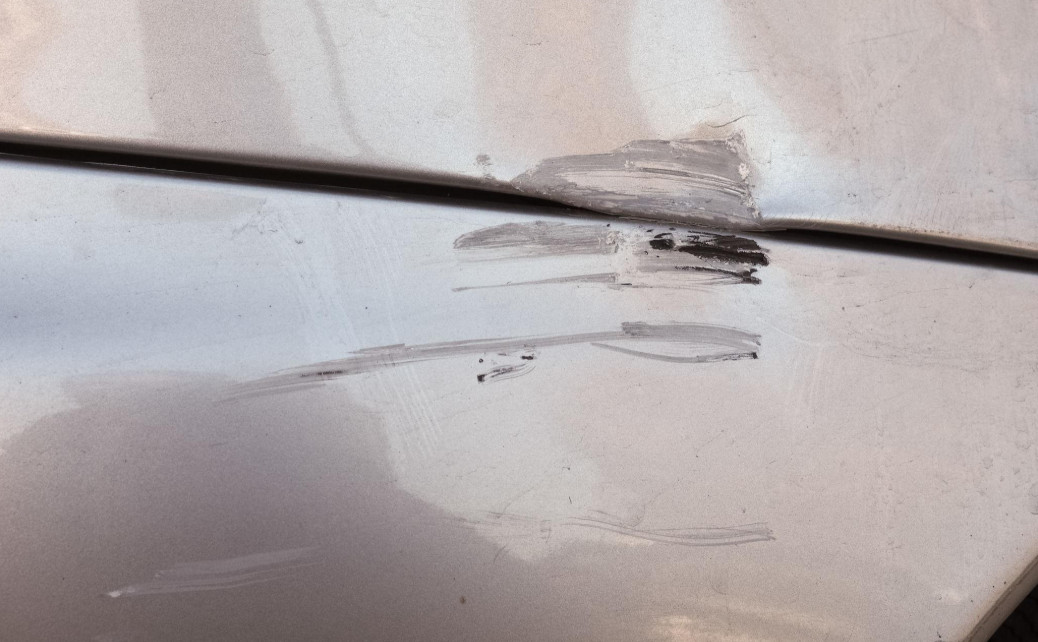
This is where hidden damage starts to show.
✔️ Check for:
Paint Differences
- Slight color variation
- Overspray on rubber seals
Panel Gaps
- Uneven spacing between doors
Surface Irregularities
- Wavy reflections
- Filler beneath paint
🚨 Red Flags:
- One side looks newer than the other
- Misaligned trunk or hood
👉 Cars leave “repair fingerprints.”
📏 Layer 3: Structural Alignment (The Truth Beneath)
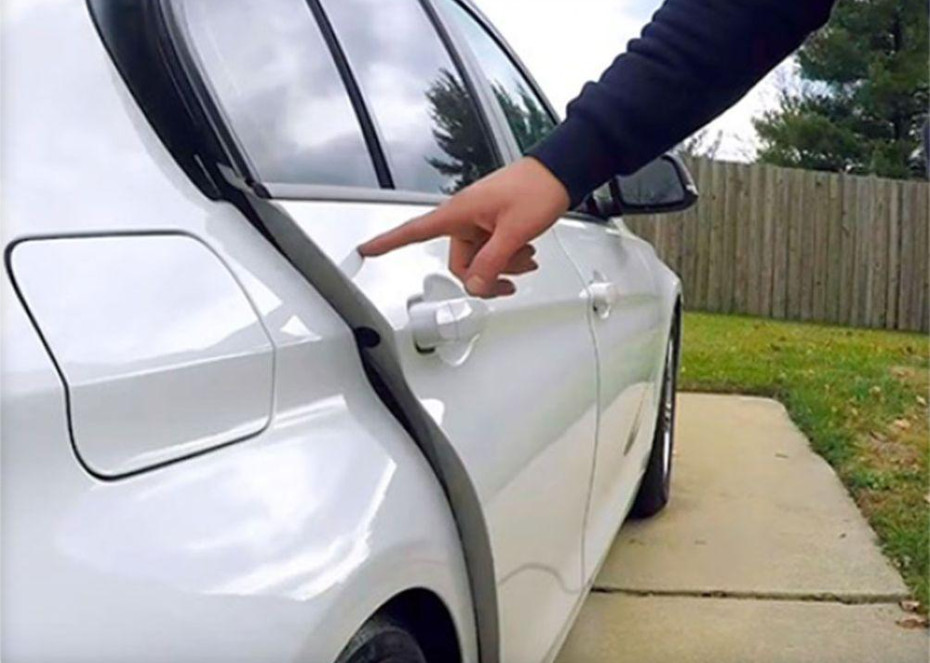
Accidents often affect structure.
✔️ What to Check:
- Do doors close smoothly?
- Is the car symmetrical?
- Are wheels aligned evenly?
🚨 Red Flags:
- One side sits lower
- Steering wheel not centered
- Car pulls to one side
👉 Structural damage = serious concern
🔧 Layer 4: Mechanical Behavior
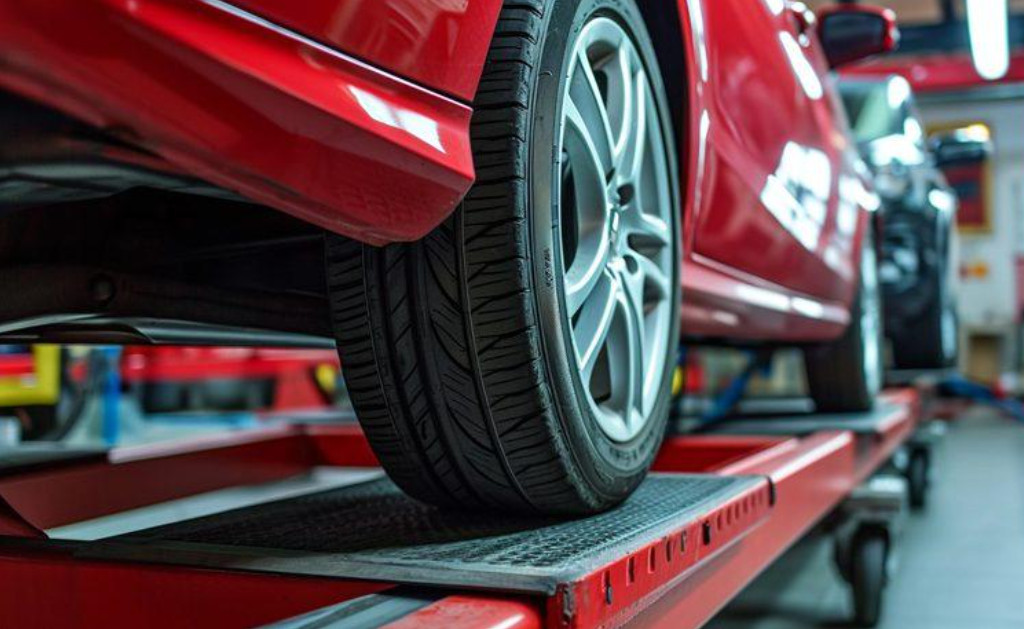
Damage affects how a car drives.
✔️ During Test Drive:
- Drive straight → does it pull?
- Brake → does it vibrate?
- Turn → any unusual noise?
🚨 Red Flags:
- Uneven braking
- Strange vibrations
- Loose steering
👉 Driving reveals what eyes cannot see.
🔎 Layer 5: Under-the-Hood Evidence
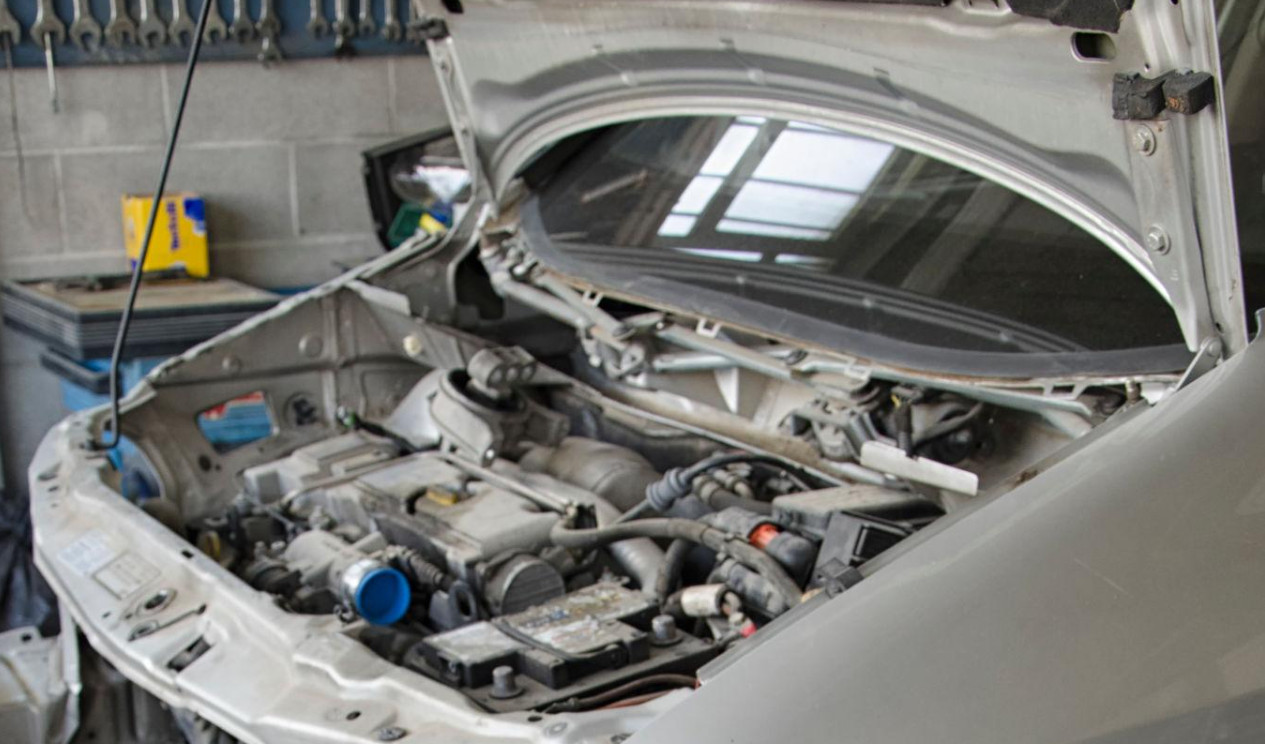
The engine bay holds hidden clues.
✔️ Check:
- Bolts (loosened or replaced)
- Weld marks
- Paint inconsistencies
🚨 Red Flags:
- Fresh paint inside engine area
- Uneven metal surfaces
👉 These are signs of major repairs.
🧠 Seller Behavior Analysis
Sometimes, the truth is in the conversation.
🚨 Warning Signs:
- Avoids answering questions
- Changes story
- Refuses inspection
✅ Positive Signs:
- Provides documents
- Transparent about history
- Allows independent checks
👉 Behavior = hidden signal
🧪 Advanced Verification (Pro Level)
For deeper inspection:
Use Tools:
- Paint thickness gauge
- OBD scanner
- Professional inspection
Why It Matters:
These tools detect:
- Hidden repainting
- Structural repair
- Electronic inconsistencies
🧩 The Accident Risk Scoring System
To simplify decision-making:
Score Each Area:
| Area | Risk Level |
|---|---|
| History report | Low / Medium / High |
| Exterior | Low / Medium / High |
| Structure | Low / Medium / High |
| Driving | Low / Medium / High |
| Seller behavior | Low / Medium / High |
Final Decision:
- Mostly LOW → Safe
- Mixed → Proceed with caution
- Multiple HIGH → Walk away
⚠️ Common Mistakes Buyers Make
- Trusting history report only
- Ignoring small visual clues
- Skipping test drive
- Believing seller blindly
👉 Accident detection requires multiple checks.
🔑 Smart Buyer Strategy
To stay safe:
- Always inspect in daylight
- Compare multiple cars
- Use layered verification
- Trust patterns—not promises
🚀 Final Thoughts
Learning how to check accident history of a used car is about thinking differently.
Not like a buyer.
👉 Like an investigator.
Because:
👉 Sellers show you what they want you to see
👉 But evidence shows you the truth
🔥 Conclusion
Accident history isn’t always visible—but it’s always detectable.
When you:
- Combine data
- Observe details
- Analyze behavior
👉 You eliminate risk
👉 You protect your investment
👉 You buy smarter
👉 The goal isn’t just finding a car.
👉 It’s finding a car you can trust.