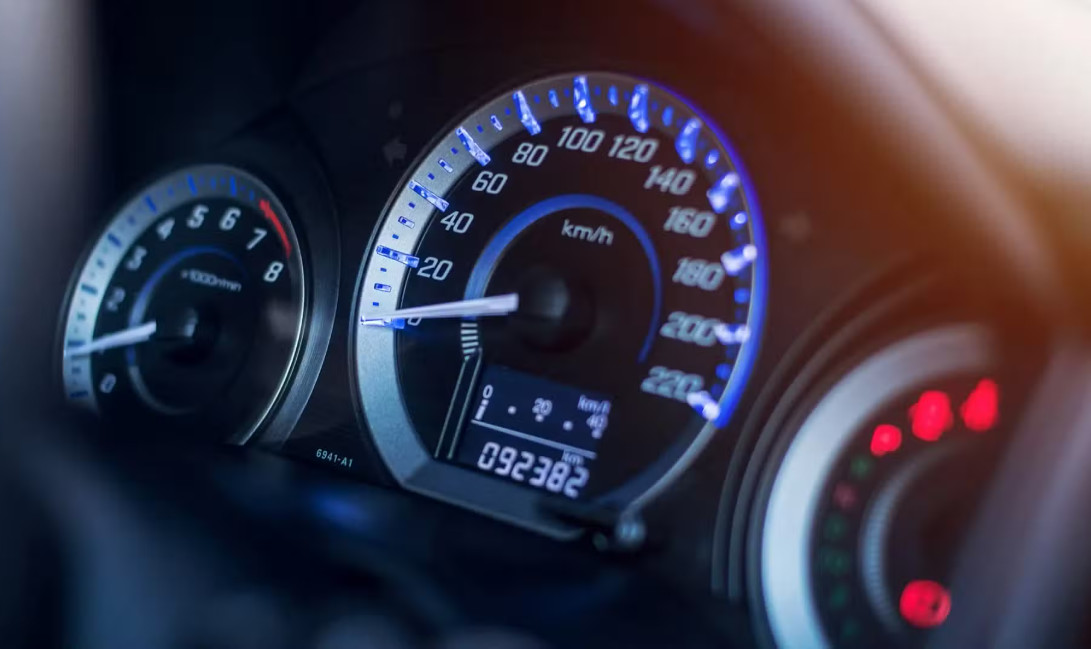
When buying a used car, one number can completely change its value:
👉 Mileage
A car with 50,000 miles can be worth thousands more than the same car with 120,000 miles.
And that’s exactly why mileage fraud exists.
If you’re wondering how to verify used car mileage is genuine, this guide will teach you how to think like an investigator—not just a buyer.
Because here’s the truth:
👉 Fake mileage is designed to fool casual buyers.
👉 But it fails under deeper inspection.
This guide shows you exactly how to uncover the truth.

🧠 Why Mileage Fraud Is More Common Than You Think
Mileage tampering (also called odometer rollback) happens when someone reduces the recorded mileage to increase the car’s value.
Why sellers do it:
- Increase selling price
- Make the car appear newer
- Attract more buyers
Real Impact:
- Overpaying by thousands
- Buying a worn-out vehicle
- Facing unexpected repairs
👉 Mileage fraud isn’t always obvious—but it always leaves clues.
🔎 The 5-Layer Mileage Verification System
Instead of relying on one method, professionals use multiple layers:
Layer 1: Digital Records
Layer 2: Physical Evidence
Layer 3: Usage Patterns
Layer 4: Mechanical Wear
Layer 5: Behavioral Clues
👉 When all layers align = mileage is likely genuine
👉 When they conflict = red flag
📊 Layer 1: Check Official Records and Reports
What to Check:
- Vehicle history reports
- Service records
- Registration documents
✔️ What You Want to See:
- Mileage increasing steadily over time
- Consistent yearly usage
🚨 Red Flags:
- Mileage suddenly drops
- Missing history gaps
- Inconsistent entries
Example:
| Year | Mileage |
|---|---|
| 2020 | 40,000 |
| 2021 | 55,000 |
| 2022 | 30,000 ❌ |
👉 This is a clear rollback sign.
🔍 Layer 2: Inspect Interior Wear (Hidden Truth)

Mileage leaves physical traces.
Areas to Check:
Steering Wheel
- Smooth and shiny = heavy use
Pedals
- Worn rubber = high mileage
Driver Seat
- Sagging or cracked = frequent use
Gear Shift
- Faded markings = long-term use
🚨 Red Flag:
👉 Low mileage car with heavy wear = suspicious
🧩 Layer 3: Understand Usage Patterns
Mileage isn’t just about numbers—it’s about behavior.
Average Mileage:
👉 10,000–15,000 miles per year
Ask:
- Was it city driving or highway?
- Was it a daily commuter or weekend car?
🚨 Red Flags:
- Very low mileage + many years old
- High mileage but “rarely used” claim
👉 Story must match the number.
🔧 Layer 4: Mechanical Wear Analysis

Even if mileage is changed, parts still age.
Check:
- Brake discs
- Suspension
- Engine wear
- Belts and hoses
🚨 Red Flags:
- “Low mileage” but worn mechanical parts
- Frequent repairs inconsistent with mileage
👉 Mechanical condition doesn’t lie.
🧪 Layer 5: Electronic Data & Diagnostics

Modern cars store mileage in multiple systems.
Use:
- OBD2 scanner
- ECU diagnostics
What to Look For:
- Mileage stored in ECU
- Error codes
🚨 Red Flags:
- Different mileage readings
- Data inconsistencies
👉 Digital systems are harder to fake completely.
🧠 Behavioral Clues from the Seller
Sometimes, the biggest clue is the seller.
🚨 Watch for:
- Avoiding questions
- Inconsistent answers
- No documentation
Good Signs:
- Transparent answers
- Full service history
- Willing to verify
👉 Honest sellers don’t hide details.
🔍 Cross-Verification Strategy
Never rely on one method.
Combine:
- Documents
- Physical inspection
- Digital scan
👉 If all match → good
👉 If mismatch → investigate further
⚠️ Advanced Fraud Techniques (Know Your Enemy)
Modern fraud can be sophisticated:
Digital Odometer Reset
- Software manipulation
Cluster Replacement
- Replacing dashboard
Partial History Editing
- Removing records
👉 That’s why multi-layer verification is critical.
🧠 Expert Tips to Stay Safe
- Always verify VIN
- Never trust a single source
- Bring a mechanic
- Compare multiple cars
🔑 Quick Verification Checklist
Before buying:
✔️ Check history reports
✔️ Inspect interior wear
✔️ Analyze usage pattern
✔️ Examine mechanical condition
✔️ Scan ECU data
🚀 Final Verdict
Learning how to verify used car mileage is genuine is not just a skill—it’s a necessity.
Because in the used car market:
👉 Numbers can be manipulated
👉 But evidence cannot
When you:
- Think like an investigator
- Cross-check multiple sources
- Stay skeptical
👉 You protect your money
👉 You avoid scams
👉 You buy with confidence
🔥 Conclusion
Mileage is one of the most important factors in a used car purchase—but also one of the most manipulated.
The key isn’t trusting what you see.
👉 It’s verifying what you see.
Follow this forensic approach, and you’ll never fall victim to odometer fraud.
👉 Smart buyers don’t guess—they verify.